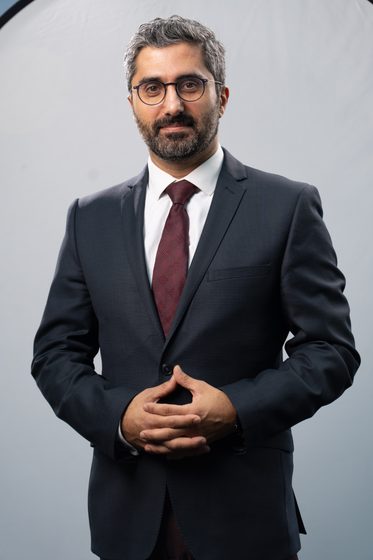
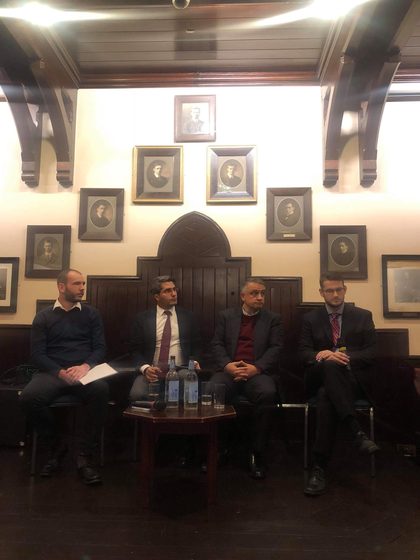
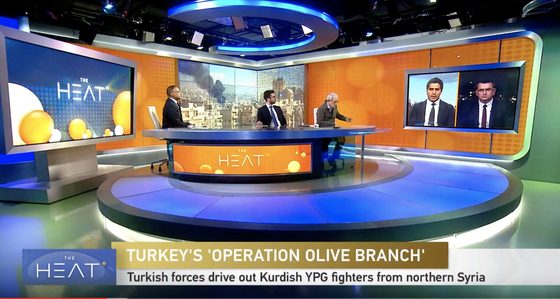
A reporter who became an adviser. The thread running through both is the same: working out what is really happening before everyone agrees on what it means.
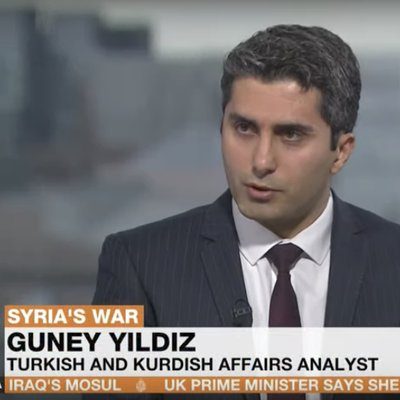
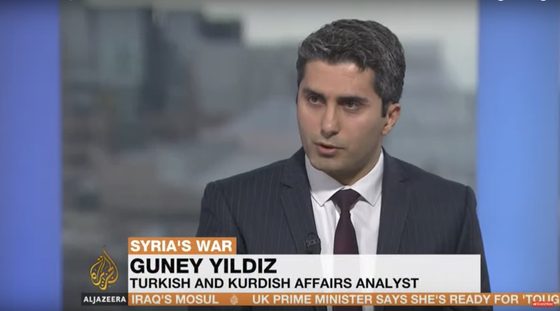
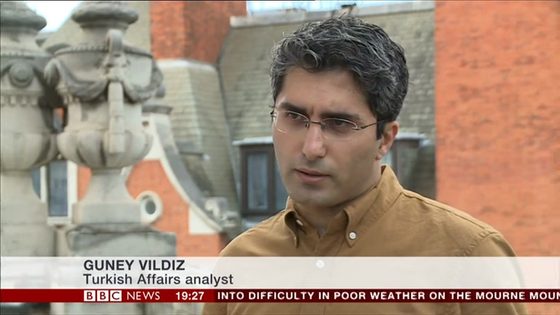
I spent the better part of fifteen years as a world affairs journalist at the BBC, reporting in English and Turkish on the parts of the world that rarely sit still: Turkey, the Kurdish question, Syria, Iraq, Iran and the wider Middle East. Journalism teaches a particular discipline. You file before the story is comfortable, you separate what a source says from what they want, and you learn that the official version and the real one are usually two different documents.
The newsroom is where I learned to read a region rather than a press release. Covering conflict and politics up close, you stop being impressed by titles and start watching what actors actually do under pressure. That habit, treating stated positions and real incentives as separate things, is the one I carried into everything that came after.
The official version and the real one are usually two different documents. Most of the work is telling them apart.
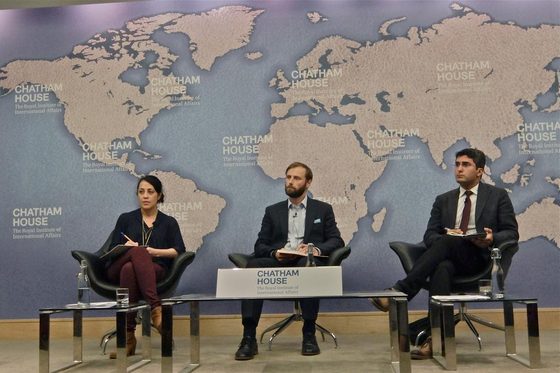
I left full-time reporting for the side of the table where decisions get made. I advised the UK Parliament's Foreign Affairs Committee as a specialist adviser, which meant turning sprawling geopolitical questions into something a busy committee could actually use. Then I worked for ADNOC Global Trading in Abu Dhabi, including on AI adoption. Sitting inside a major energy institution in the Gulf changes how you see the map. You stop treating energy, capital and geopolitics as separate subjects, because in the room they never are.
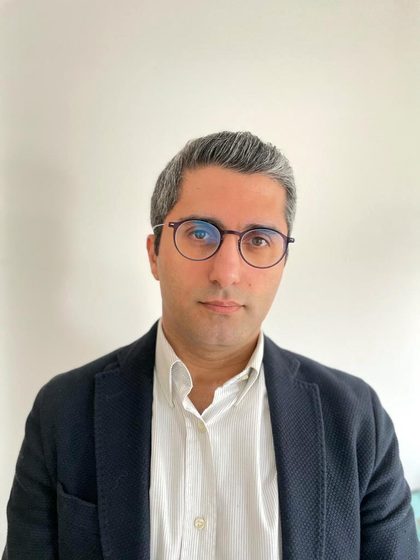
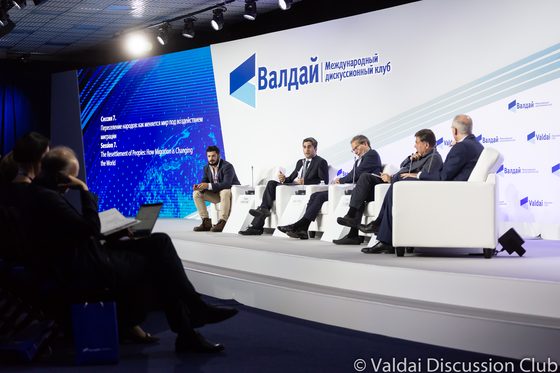
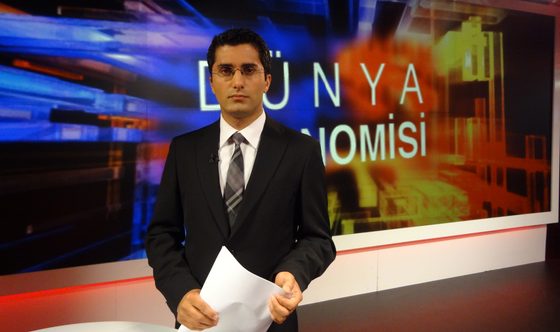
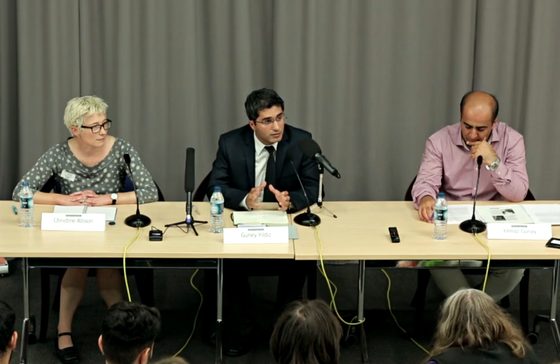
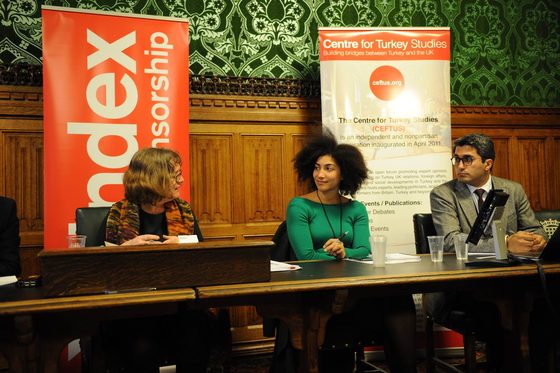
Alongside the practitioner work, I went back to first principles. Two master's theses and a doctoral dissertation sit behind the analysis. I am completing a PhD in political sociology at Cambridge, where I built a framework I call the Revolutionary Configuration Matrix. The short version: how a movement or a state is built structurally tells you more about whether it will last than the ideology it advertises. Institutional architecture predicts durability better than slogans do. It sounds academic, and it is, but it is also the lens I use when a client asks whether a regime, a coalition or a disruptive force is as solid as it looks.
I write a regular Forbes column on energy, AI infrastructure, the Gulf, Turkey and geopolitical risk. That audience is senior and time-poor, which keeps the writing honest. A piece has to carry a real argument, name names, quantify exposure and reach a verdict, or it is not worth a reader's morning. More than 350,000 words of analysis later, published or delivered to clients, that constraint still shapes how I think on the page. I have also held a visiting fellowship at the LSE European Institute and fellowships with the European Council on Foreign Relations, SWP Berlin and the Middle East Institute.
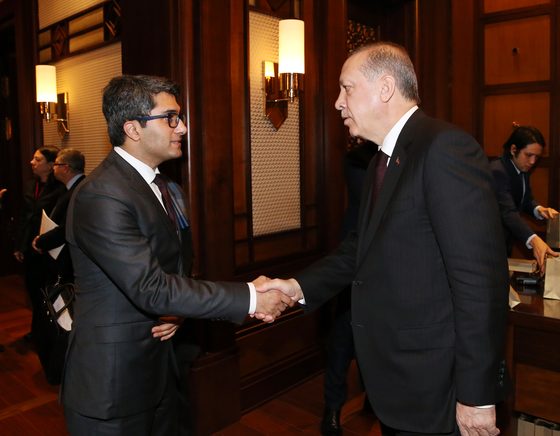
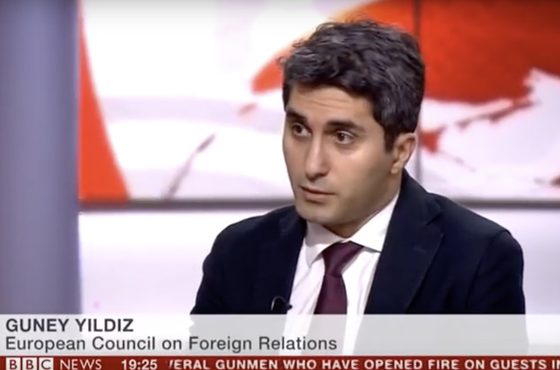
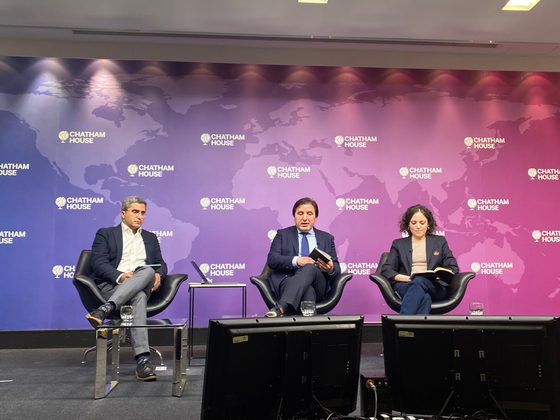
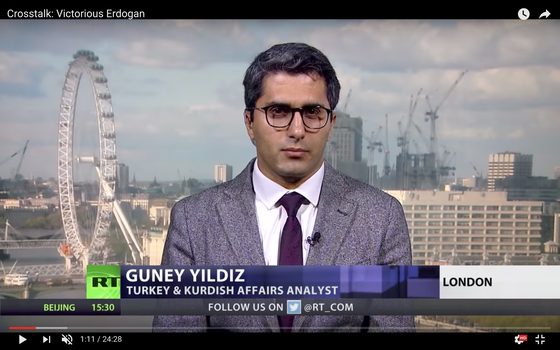
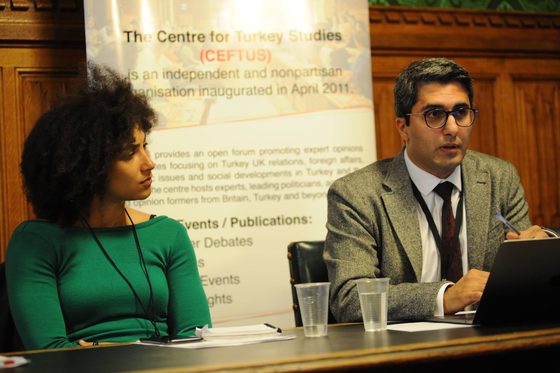
Five fields, six countries, one habit of mind. The newsroom, the committee room, the trading floor, the lecture hall and the boardroom each taught me to read the same events differently, and the value is in holding all five at once. It's why I can take a geopolitical shift and say, in one conversation, what it means for a government, a balance sheet, a regulator and a negotiating table. The whole route, drawn as a map →
Today I work as a senior adviser on geopolitics and strategic insights, including as Senior Geopolitical Advisor at Anthesis Group, and take a small number of independent advisory engagements alongside it. I am based in London and work across the UK, Turkey, Germany, Austria, the Gulf and the United States. I rarely work alone. The most useful thing I can offer a client is not just my own read, but fast access to colleagues and practitioner networks who have lived a particular question rather than only studied it.
What I am good at is the period before consensus forms, the six to twelve months when a risk is visible if you know where to look but has not yet reached the headlines or the board agenda. That is where good judgement is worth the most, and it is where I try to be useful.
In a longer, Turkish-language conversation with Esra Öz, I talk through the thread that runs across all of this, from journalism to think tanks to academic work. Watch the interview (in Turkish) →